On this page+
A car with the 7-speed DQ200 DSG drives normally for most of the trip, but two shifts stand out: from 1st to 2nd and from 3rd to 4th gear the car gives a noticeable jolt. Some days it is barely there; on others, one of these jolts is followed by a flashing gear indicator and the gearbox drops into emergency mode. Restart the engine and everything seems fine — until the next time.
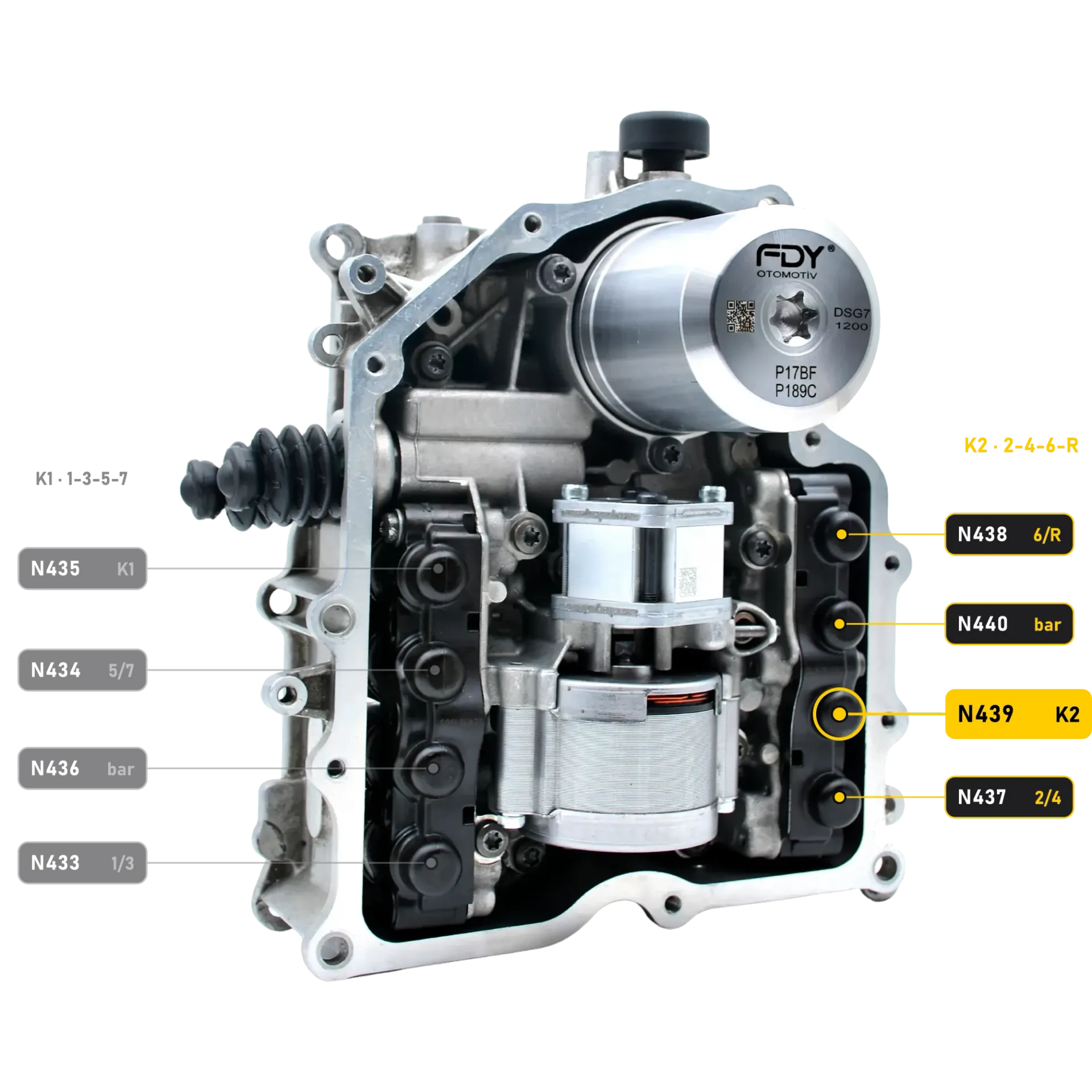
This pattern is a valuable clue. When the complaint appears only on shifts into the even gears, the fault is very likely on one side of the gearbox, and one valve on that side deserves a close look: N439, the pressure control valve for clutch K2. This guide explains why, and how a workshop confirms it on the bench instead of replacing parts by guesswork.
Why 2nd and 4th gear point to clutch K2
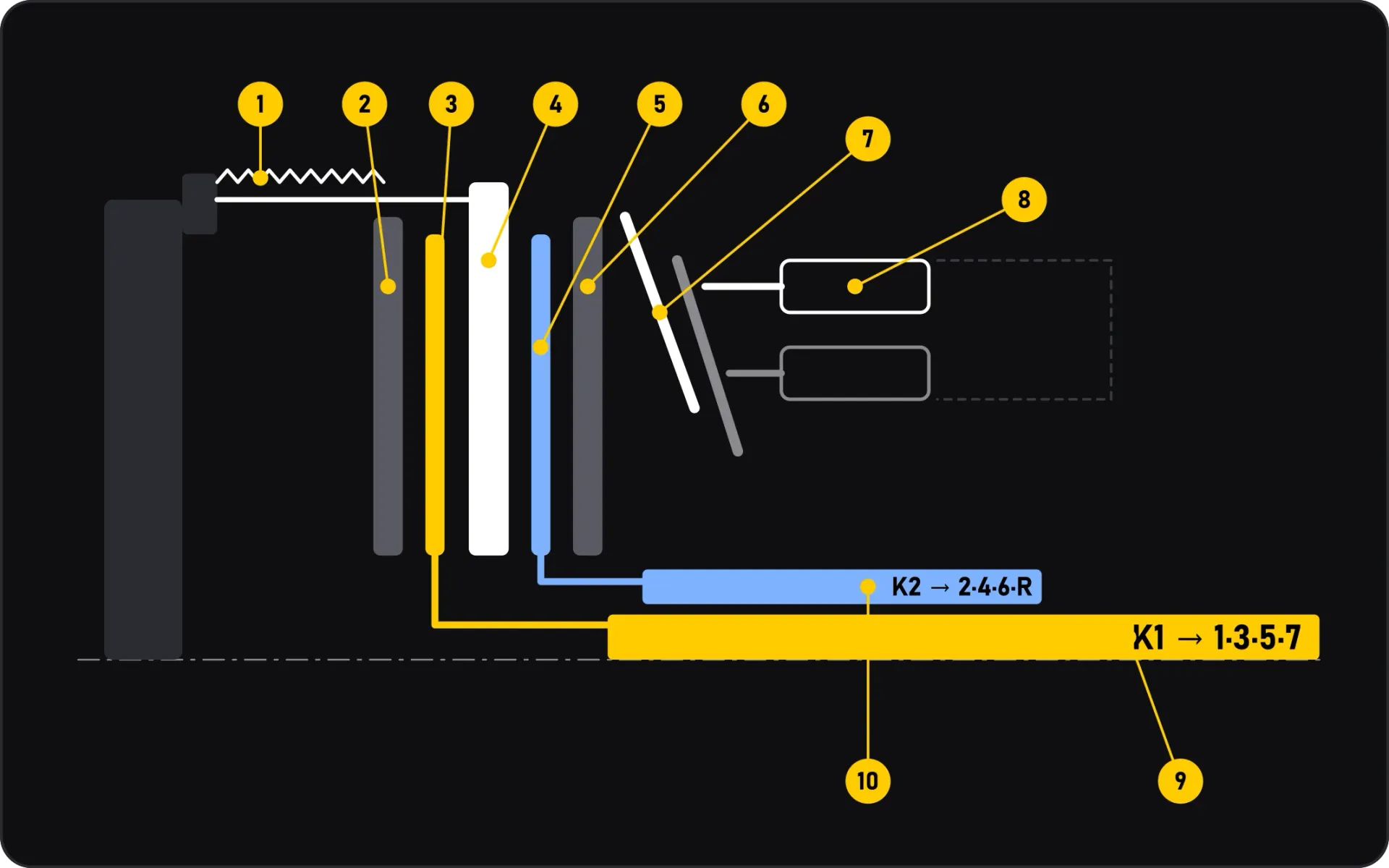
The DQ200 is two gearboxes in one housing. Clutch K1 drives the odd gears (1, 3, 5 and 7); clutch K2 drives the even gears (2, 4 and 6) and reverse. During an upshift from 1st to 2nd, K1 opens while K2 closes. How quickly and how smoothly K2 closes is decided by the mechatronic through valve N439: the TCU sends it a current, and the valve turns that current into a precise oil pressure on the K2 clutch actuator.
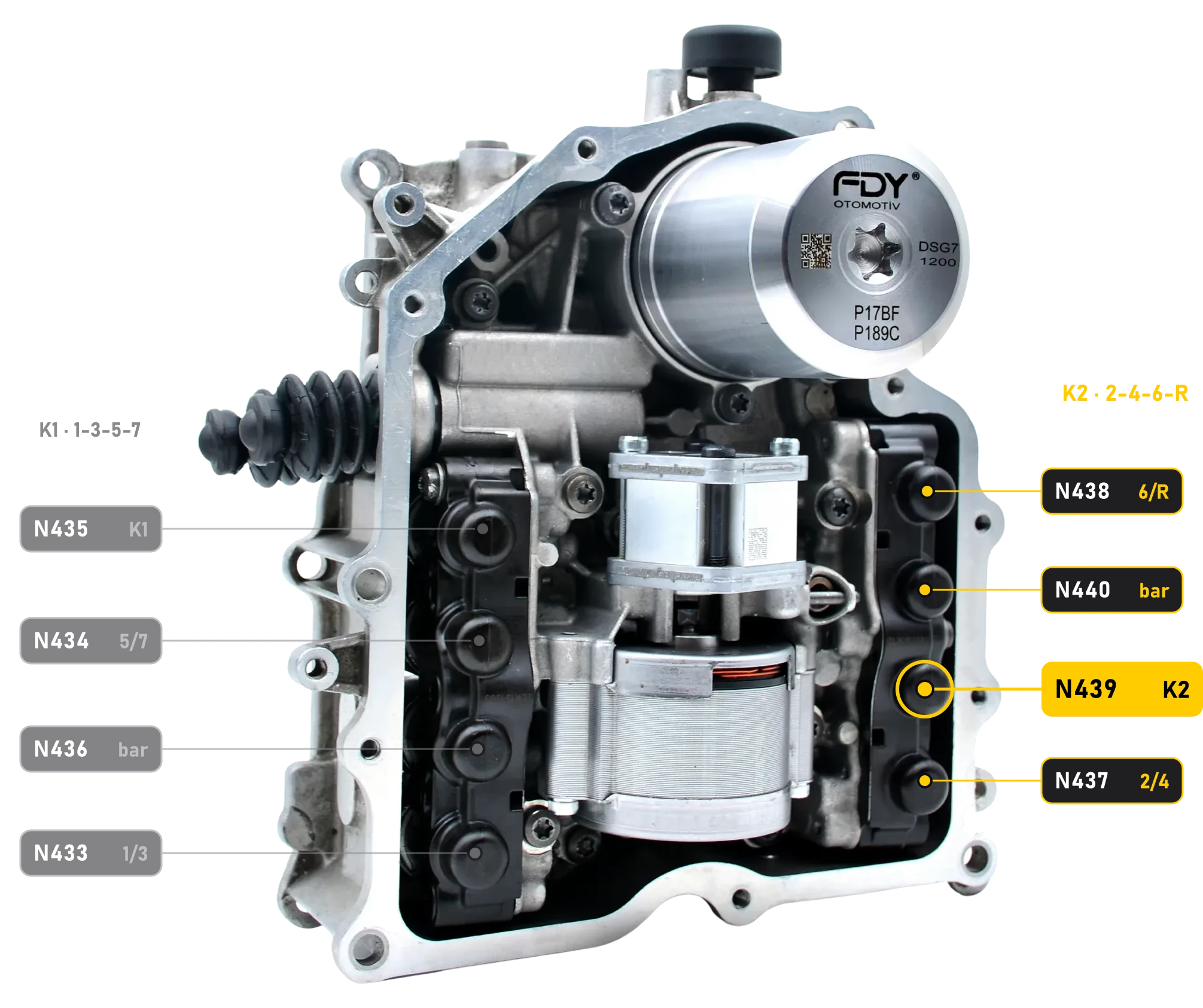
N439 is a proportional valve: its piston does not simply open or close, it has to follow the current step by step. If dirt or wear makes the piston stick and then jump, the pressure on K2 rises unevenly. The clutch grabs instead of taking up the drive smoothly, and you feel it as a jolt. Because K2 only works on the even gears, the jolt appears only on shifts into 2nd, 4th and 6th gear. Reverse also runs through K2, so a harsh take-up when reversing is worth noting too.
If the TCU sees that clutch K2 is not behaving as commanded, it stores a fault. When it can no longer control the clutch safely, it switches sub-gearbox 2 off and the car drives only in 1-3-5-7. We explain this protection in our article on DSG emergency mode.
Step 1: Read the fault memory — and the pattern
- Read the fault memory of the gearbox control unit and look for entries that point to clutch 2 or sub-gearbox 2. A sporadic entry can be stored even when no warning lamp is on.
- Note the freeze-frame data of each entry: vehicle speed, gear and oil temperature show when the fault happens.
- On a road test, note exactly which shifts are harsh. Only 1–2 and 3–4, perhaps 5–6? That points to sub-gearbox 2. Harsh shifts in every gear point elsewhere.
A fault code tells you which circuit is affected, not which part has failed. Our DQ200 fault code list explains what each group of codes means.
Step 2: Rule out the basics and the pressure supply
Not every jolt is caused by a valve. Before the mechatronic comes out, check the things that can produce a similar complaint:
- Supply voltage: a weak battery or a poor ground connection disturbs the whole control system.
- Basic settings: after a clutch or mechatronic job, the gearbox has to learn the clutch engagement points again. Run the basic settings with your diagnostic tool.
- Clutch condition: a worn or contaminated dual clutch can also judder when it takes up the drive.
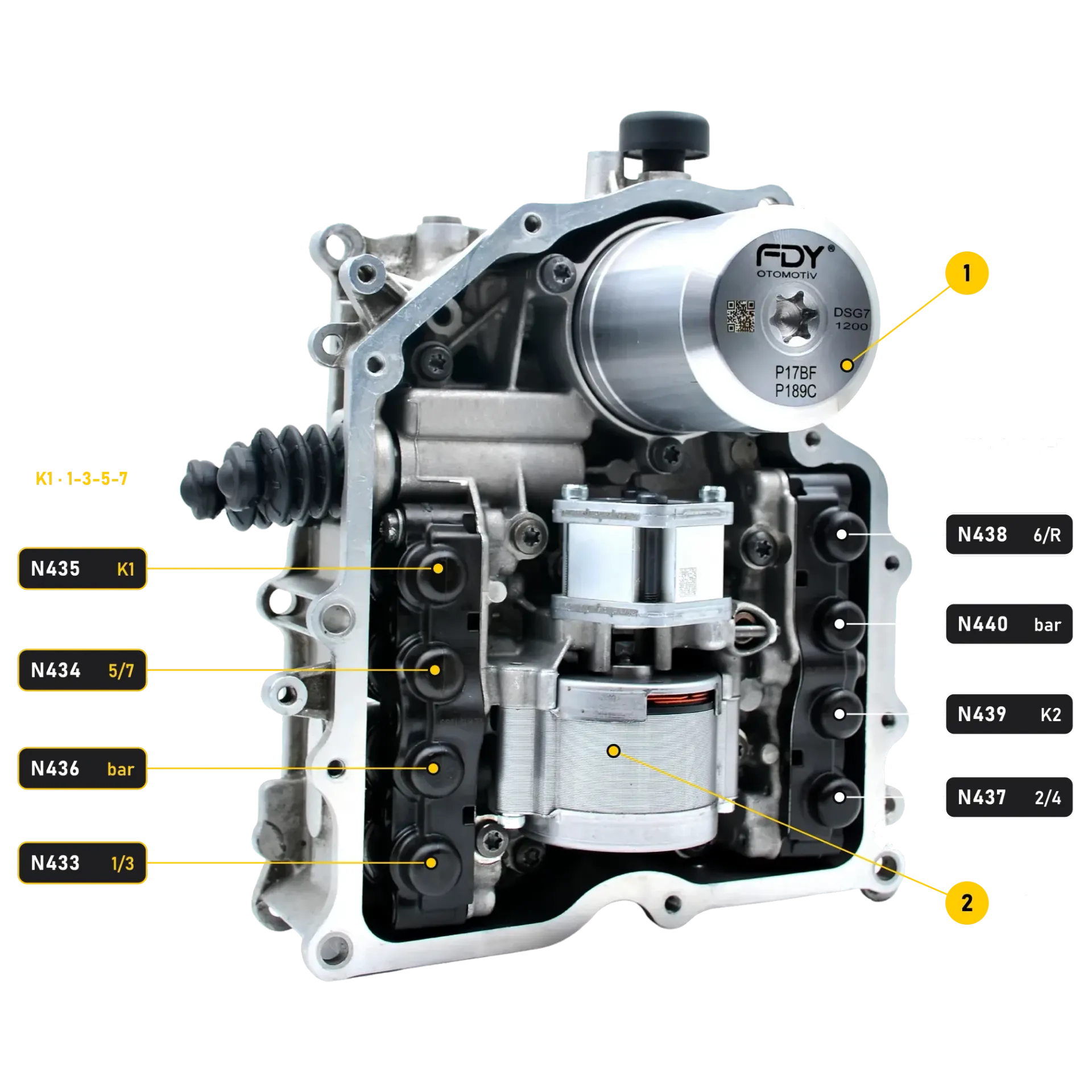
- Pressure supply: listen to the hydraulic pump when you switch the ignition on. If it runs noticeably long, or runs often while driving, the system is losing pressure. A common cause is a crack at the pressure accumulator mounting, often together with P17BF or P189C — and these cracks are usually invisible from the outside.
A pressure problem usually affects the whole gearbox; a complaint that stays on the even gears points more to sub-gearbox 2. If the accumulator mounting is cracked, the FDY reinforced accumulator repairs the attachment point with a double-wall steel design.
Step 3: Remove, clean and inspect the mechatronic
With the mechatronic on the bench, clean it and inspect the valve body carefully: look for cracks around the accumulator mounting, damaged seals and metal particles. Fine particles in the hydraulic oil are exactly what makes a proportional valve stick. If you find chips, trace their source before you refit anything — our metal-chip check shows how to read them.
Then remove the solenoid valves so that they can be tested one by one.
Step 4: Test each valve on the bench
This is where the guesswork ends. With the FDY Black Box, a workshop can test up to four valves at once and compare them side by side:
- Connection check: a valve with a broken coil shows as Not connected even though the cable is fine.
- Current and resistance: hold a valve in Manual mode and read its live current and resistance. There is no single good value for every type of valve, so compare N439 with a known-good valve of the same type, such as N435 on the K1 side if it tests healthy.
- PWM test: change the duty cycle slowly from 0 to 100% and back. A healthy proportional valve moves its piston gradually and follows the setting; a valve that hesitates and then jumps is the kind that causes jolts in the car.
- Pulse test: run identical valves one after another at the same rate and compare the sound. A clogged valve sounds duller because its pin cannot travel the full stroke.
- Report: the automatic test measures every output and saves a PDF report with the vehicle's VIN for the customer file.
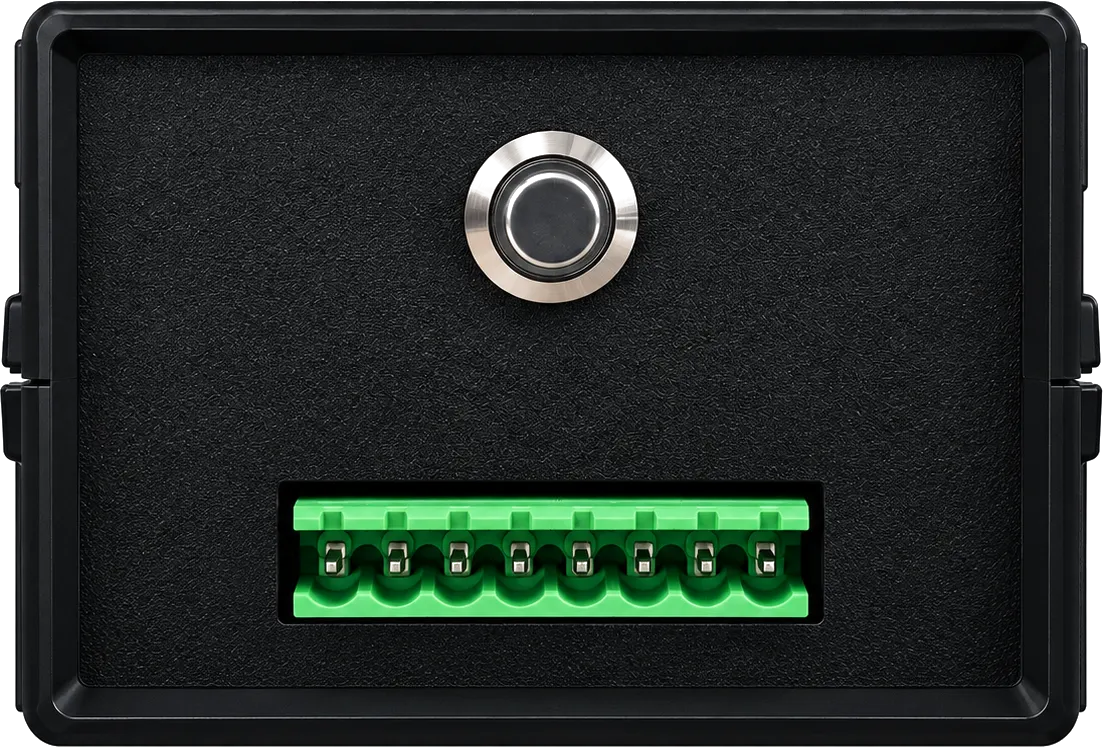
Want to see how it works first? Try every step in the Black Box user guide and simulator.
Step 5: Clean or replace — then test again
If the valve is clogged with fine particles, a cleaning cycle can free it: place the valves in cleaning solution and let the Black Box pulse them at full power to loosen the particles. Then repeat the tests. A valve that now follows the PWM test smoothly and matches its partner can go back in; a valve that still hesitates, jumps or reads out of line must be replaced. Never refit a valve that failed the retest — the jolt will come back.
Step 6: Test the complete mechatronic before it goes back
With the valves back in place, test the whole unit before it goes into the car. The FDY mechatronic test device measures the current of every valve against an acceptance range, checks the pump run time, the pressure build-up and the leak tightness, and simulates 1,000 shifts — so a problem shows up on the bench, not on the customer's first drive.
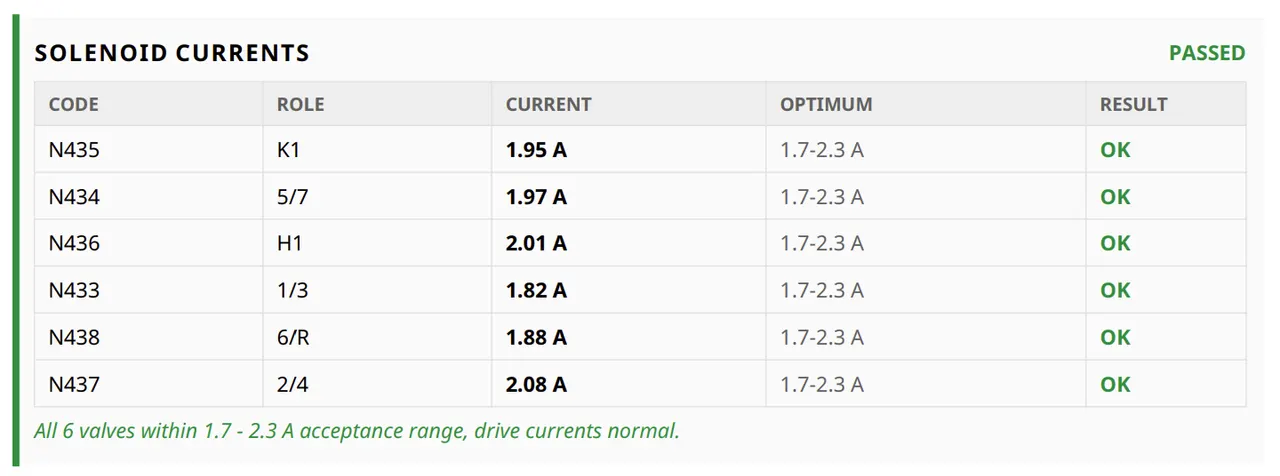
After fitting, run the basic settings, then road-test through every gear — paying special attention to the 1–2 and 3–4 shifts and to pulling away in reverse — and read the fault memory again.
Why testing pays off
The pattern “jolts only in the even gears” narrows the search to one half of the gearbox, but it does not prove which part is at fault. A sticking N439, a pressure problem, a worn clutch and incorrect adaptation values can all feel alike from the driver's seat. Testing every valve on the bench turns a suspicion into a measured result: you replace the part that failed and can show the customer the report, instead of fitting a complete mechatronic and hoping for the best.
Frequently asked questions
01Why does my DSG jerk only when shifting into 2nd and 4th gear?+
In the DQ200, 2nd, 4th and 6th gear and reverse are driven by clutch K2. A jolt that appears only on these shifts usually means that K2 is not closing smoothly — often because its pressure control valve, N439, is sticking or responding unevenly.
02Which solenoid controls clutch K2 in the DQ200?+
N439 is the pressure control valve for clutch K2. N440 sets the system pressure of sub-gearbox 2, and N437 and N438 engage the even gears and reverse.
03Can a faulty N439 put the gearbox into emergency mode?+
Yes. If the TCU can no longer control clutch K2 safely, it switches off sub-gearbox 2 and the car drives only in 1st, 3rd, 5th and 7th gear, without reverse.
04Can a clogged solenoid valve be cleaned?+
Yes, when the problem is fine particles rather than a damaged coil or a worn piston. Clean the valve, then test it again: only a valve that passes the retest should go back into the mechatronic.
05Does a faulty valve mean a new mechatronic?+
Not necessarily. If the bench test shows that only one valve has failed and the valve body, the pump and the accumulator mounting are healthy, replacing that valve is usually enough. Test the complete unit before it goes back into the car.
Talk to a DQ200 specialist
Send us your fault codes and tell us which shifts are harsh — our engineers will tell you where to start. FDY supports workshops and distributors 24/7 — contact us.